
The margin for error in grocery retail is thin; between tight margins, limited shelf life, and customers who expect their staples to be there every single Tuesday, it’s risky to go in unprepared for those challenges. Implementing a grocery store POS system can help mitigate these risks.
Yet, I still see plenty of stores relying on “gut feelings,” messy spreadsheets, or handwritten clipboards to make millions of dollars’ worth of purchasing decisions. When your supply chain is reactive, you could be burning cash. A modern grocery store POS system provides insights that can prevent miscalculations and costly mistakes.
Here’s how to shift from “surviving” to actually mastering your inventory using the data already sitting in your POS.
The High Cost of "Flying Blind"
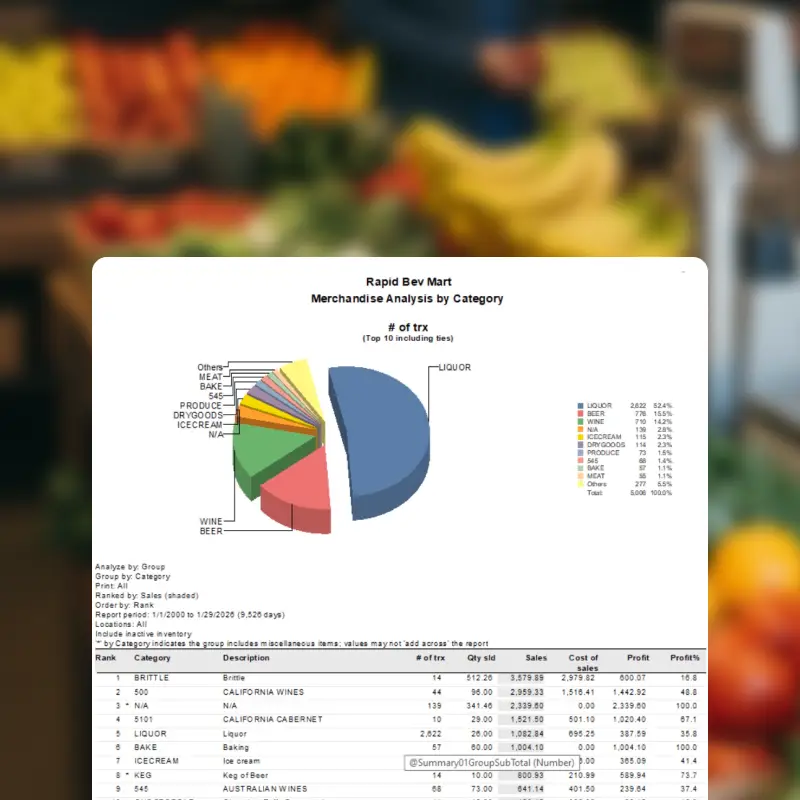
When you don’t have real-time data on your movement, your supply chain is can feel two steps behind. You’ve likely felt these “hidden” costs:
- The Spoilage Sinkhole: Over-ordering perishables that end up in the bin.
- The “Out of Stock” Ghost Town: Missing the reorder window on high-velocity staples like milk or eggs, driving your regulars straight to the competitor.
- Dead Capital: Tying up thousands of dollars in center-store inventory that sits for months.
A stockout in grocery isn’t just a lost item sale, it’s a lost trip. If they can’t get the bread they like, they’ll buy the rest of their $150 cart somewhere else.
When you integrate a grocery store POS system, you gain clarity on customer behaviors and sales trends.
Moving Beyond Daily Totals
A modern system shouldn’t just tell you what you sold; it should tell you how your customers are behaving. To get a true handle on your supply chain, you need to look at:
- Velocity Trends: Which SKUs are accelerating week-over-week?
- Promotion Impact: Did that “2 for $5” deal actually move the needle, or did it just cut your margins?
- Department Flow: Which sections are actually driving your growth versus just taking up space?
By closing the loop between the checkout lane and the back office using advanced reporting features, you stop ordering based on last month’s averages and start ordering based on what’s happening right now.
Making Purchase Orders (Actually) Fast
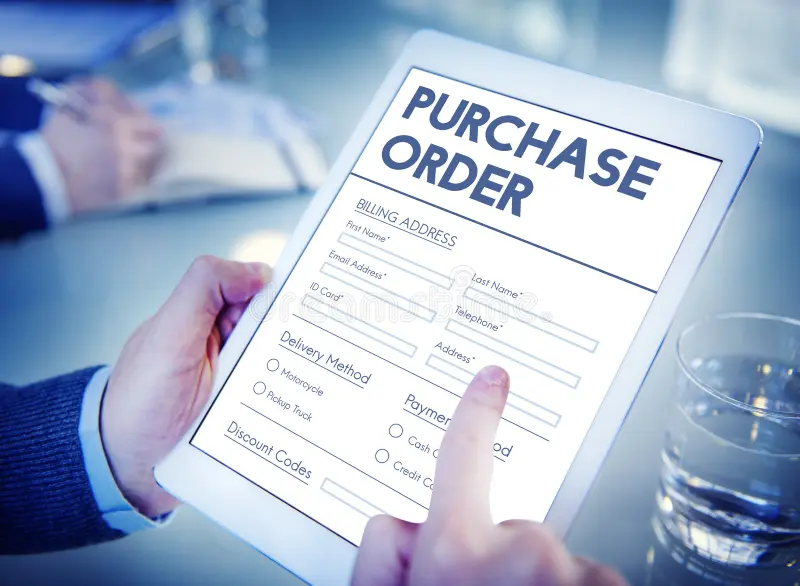
Creating POs is traditionally the most tedious back-office chore. If you’re still manually counting cans to decide what to buy, you’re losing hours of productive time.
A smart setup ties your POs directly to sales velocity.
Demand-Based Replenishment: If a specific yogurt brand starts flying off the shelf due to a local trend, your reorder thresholds should adjust automatically using min/max levels you set.
Strategic vs. Reactive: This shifts your relationship with vendors. Instead of emergency calls, you have predictable, data-driven ordering cycles.
Learn more about our integrated inventory management features.
Quick Audit: Is Your Tech Helping or Hurting?
Take a second to look at your current setup. If you can’t answer “Yes” to these, it’s likely costing you margin:
- Real-Time Visibility: Can you see inventory levels across every department instantly?
- Automated POs: Does the system suggest order quantities based on actual sales speed?
- Actionable Reporting: Are your dashboards easy to read, or do you need a degree in data science to find your shrink rate?
- Connector: Does your grocery store POS system talk to your accounting and inventory tools without a middleman?
The Bottom Line
At Rapid Grocery POS, we’ve seen that the most successful grocers aren’t necessarily the ones with the biggest footprints — they’re the ones with the tightest data. Moving to a demand-driven model usually leads to significantly lower spoilage and much happier customers who actually find what they need on the shelf.
In 2026, utilizing a grocery store POS system will be essential for long-term success. The stores that thrive will be the ones that stop guessing and start using their transaction data prominently in their strategy.
For more information on NCR Voyix’s Counterpoint, visit Counterpoint University.
